Where Te Reo Is Part of Everyday Life
Since joining Odyssey earlier this year, one of our newer kaimahi has been learning how te reo Māori and tikanga are woven through everyday life at Ōtihi. For Te Wiki o te Reo Māori, she reflects on what she has noticed and how much her understanding has grown.
One of the unexpected bonuses of joining Odyssey has been seeing how naturally te reo Māori and tikanga are woven through the organisation and having the opportunity to learn and use more te reo myself.
My first day began with a mihi whakatau from my team. It was a wonderful welcome to a new workplace, and my first indication of the place te reo Māori and tikanga hold here.
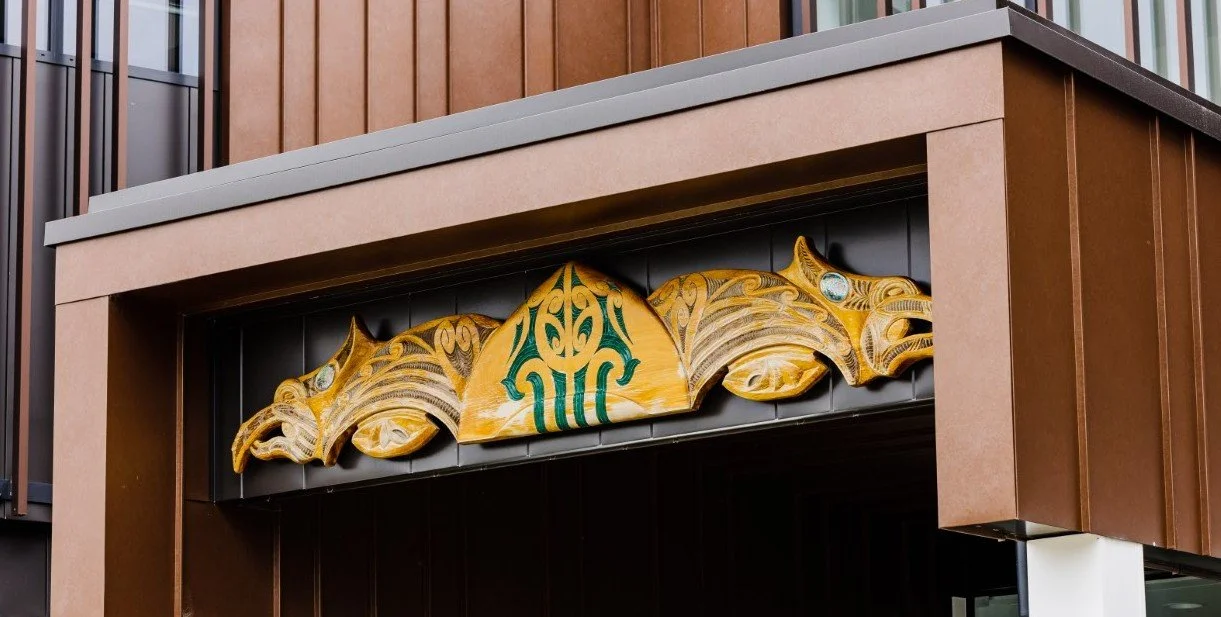
Over the four months since then, I have seen just how widely they are embedded across Odyssey. Te reo is present in our pillars, services, resources, meetings, training and buildings, and in the everyday language we use to talk about our mahi. Karakia, waiata and pepeha are not reserved for special occasions; they are a normal part of working here.
That everyday exposure is beginning to make a difference for me. Soon after starting at Odyssey, I attended my first graduation, a truly special experience. A lot of the proceedings were in te reo, and although I could appreciate the importance of what was taking place, I couldn’t understand much of what was being said. I’ve now attended three graduations, as well as other official events. I’m beginning to follow the proceedings more easily and understand parts of the kōrero. Now at graduations, I can see how karakia, waiata, pepeha and kapa haka are beautifully woven into the ceremony to acknowledge and elevate the achievement of tāngata whai ora and everything the occasion means to them, their whānau and the kaimahi who have supported them.
I have been supported to create a pepeha that is meaningful to me and where I come from, with plenty of opportunities to stand and share it. That can still feel daunting, but effort is encouraged here, and people are generous with their knowledge and support. That makes it easier to have a go, listen to feedback and keep learning.
My learning at Odyssey has extended beyond language. A conversation with one of our Clinical Managers helped me look at Te Whare Tapa Whā in a different way. She explained that it is not simply a theoretical wellbeing model. When tāngata whai ora really lean into its different dimensions, it can support many parts of their lives, as it can for kaimahi. I found that idea really interesting, and it has made me want to learn more about Te Whare Tapa Whā and how it can inform our own wellbeing as well as our work with others.
At our Matariki Connect kaimahi event, guest presenter Hinerapa Rupuha spoke about navigating Ngahiraka Mai Tawhiti more than 500 nautical miles from Samoa to Tonga using traditional Māori navigation methods. It was fascinating to hear about the incredible knowledge and skill involved, and the importance of passing mātauranga Māori knowledge between generations.
For me, one of the most valuable things about Odyssey is that it feels like a safe place to learn. There are many practical resources available, as well as plenty of opportunities to practise. I’ve also been inspired to start learning te reo through Te Wānanga o Aotearoa. I have a long way to go, but I am loving the process.
I joined Odyssey expecting to learn a great deal about the organisation and its mahi. I hadn’t realised that my new role would create other opportunities to learn and use te reo Māori.
Te Wiki o te Reo Māori gives us an opportunity to celebrate and encourage the use of te reo, but it should not begin and end with one week. Te reo is part of everyday life here.