
I Chose Myself
An Odyssey kaimahi shares part of her lived experience of overdose, addiction and recovery. She shares her story anonymously in the hope that it might help others to understand the person behind addiction and show that a different life is possible with support and hope.
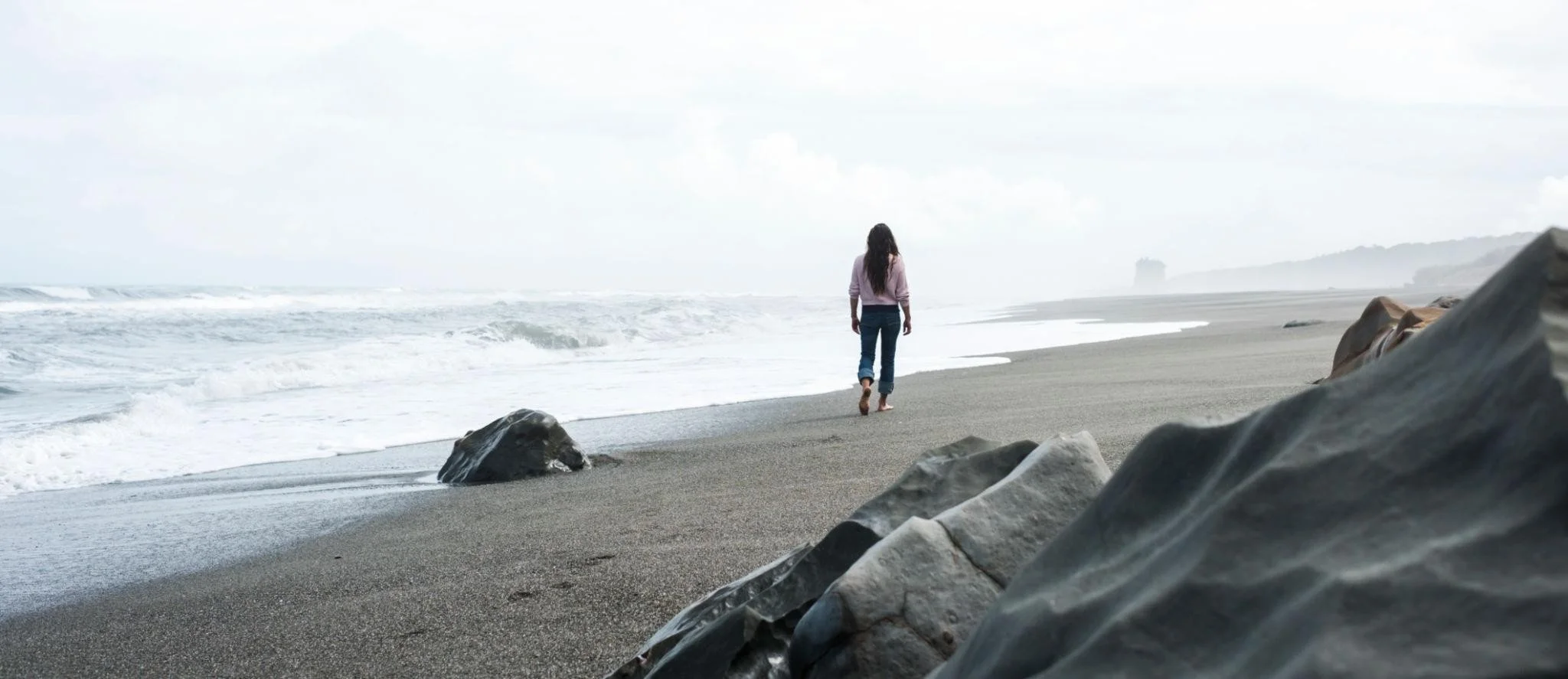
The first thing I remember is the cold water.
I had just somewhat awoken, lying on the floor of a shower. I repeat my name over and over in my head. It feels like it is all I know in this moment. Where am I? How did I get here? What happened? Am I dead?
My thoughts slowly become semi-coherent and my eyes adjust to what feels like an intensely bright light surrounding me. I can hear several panicked voices moving around me. I'm desperately trying to put sound, sight and sensation into context, but my thoughts are slow and scattered. I can't seem to connect one moment to the next.
Cold. I'm cold and I'm soaked. As the panicked voices continue around me, I wonder why there is such a frantic sense of urgency.
I didn't yet understand the seriousness of what had happened. I didn't yet realise I had overdosed. I only knew, deep in my core, that something was terribly wrong. I was fully clothed in the bottom of my shower, cold water running over me, with no recollection of how I ended up there.
It was terrifying.
My last memory before waking was hanging out with a few friends in my room. We were all addicted to the same drug and using that night. It was an ordinary night. At that point, getting high in my small whare with a few other addicts had become routine.
I was incredibly fortunate to have a friend that night who immediately contacted someone who could help resuscitate me. Not everyone is lucky enough to have that option. In retrospect, I absolutely should have received emergency medical care.
Unfortunately, when it comes to overdoses, people don't always call 111 because of the fear of authorities becoming involved when drugs are found. I've seen this happen first-hand. This fear can cost lives.
The following few days were a blur. My body had shut down and I could do nothing but sleep. Curtains drawn, laying in bed in silence. Light seemed to burn into my retinas and every slight sound felt amplified. I couldn't leave my bed. I couldn't eat. I was completely incapacitated.
I didn't want to use drugs anymore. I was shaken to my core. I had been through some incredibly dark times in my life, but being so close to death sparked something deep within me. I needed help. More importantly, I wanted help.
I booked myself into rehab.
Something I wish people understood about addiction is that we don't want this lifestyle. In my experience, and in the experience of many addicts I know, addiction can become a coping mechanism for unresolved trauma and mental health struggles. There is nothing glamorous about it. It is soul-destroying, slowly stripping away our values, relationships and sense of self, while placing us in increasingly dangerous situations and deepening the shame.
At the time, I had only recently moved to Aotearoa and felt very alone, unaware of the larger whānau I had in the country yet. The one Aunty I was slowly connecting with would go on to support me through active addiction, recovery and relapse for more than a decade. She has been the mother I never had. She never gave up on me, even when I had given up on myself.
I wish I had understood then how deeply she cared. I was raised to feel like a burden, and I believed I was a horrible, selfish person who would eventually let everyone down. So I never let anyone get too close.
I wish I could say that overdose was the first and last time I ever came close to death, but it wasn't. The years that followed would be my most relentless battle. I hit bottom countless times. I'd convince myself I could control my usage, only for the same destructive patterns to return.
Eventually, after exhausting every possible way of convincing myself that I could somehow make addiction work, I finally let go of that belief and chose sobriety for the last time.
I chose myself.
If it weren't for my Aunty, I wouldn't be here to share this part of my story. Addicts need their whānau. I cannot emphasise enough the importance of having even one person in your corner. Someone who believes in you when you've lost all belief in yourself. Someone who keeps showing up when you push the world away.
It just takes one person.
Whether it's a whānau member, friend, partner or someone you meet at an NA meeting, build an army for an addict to fall back on. Because with aroha and tautoko, we can recover.
Today, I have a life I never thought was possible. I have a wonderful wider whānau who trust and love me, a job I'm so passionate about with a team that lifts me when I'm down. I am living with freedom in my heart and a solid foundation I built from the ground up.
I am so proud of the person I am and continue to become.
Overdose is one of the most terrifying parts of addiction. I have lost countless friends, and the grief and shame that overdose can bring to families breaks my heart.
We are all human beings doing our best to get through the difficulties of life. You never truly know what someone is going through.
Have patience with people who use drugs. There is no one harder on an addict than the person suffering from addiction. I believe boundaries are healthy and necessary, but never give up completely on the person behind the addiction.
Always hold onto that last thread of hope. It may be the very thing that keeps them here.
For me, it was.
If You Think Someone Has Overdosed
An overdose is a medical emergency. If you think someone may have overdosed, call 111 and ask for an ambulance. Stay with the person and follow the instructions given by the emergency call handler until help arrives. If you're unsure whether the situation is an emergency but you're worried, call 111.