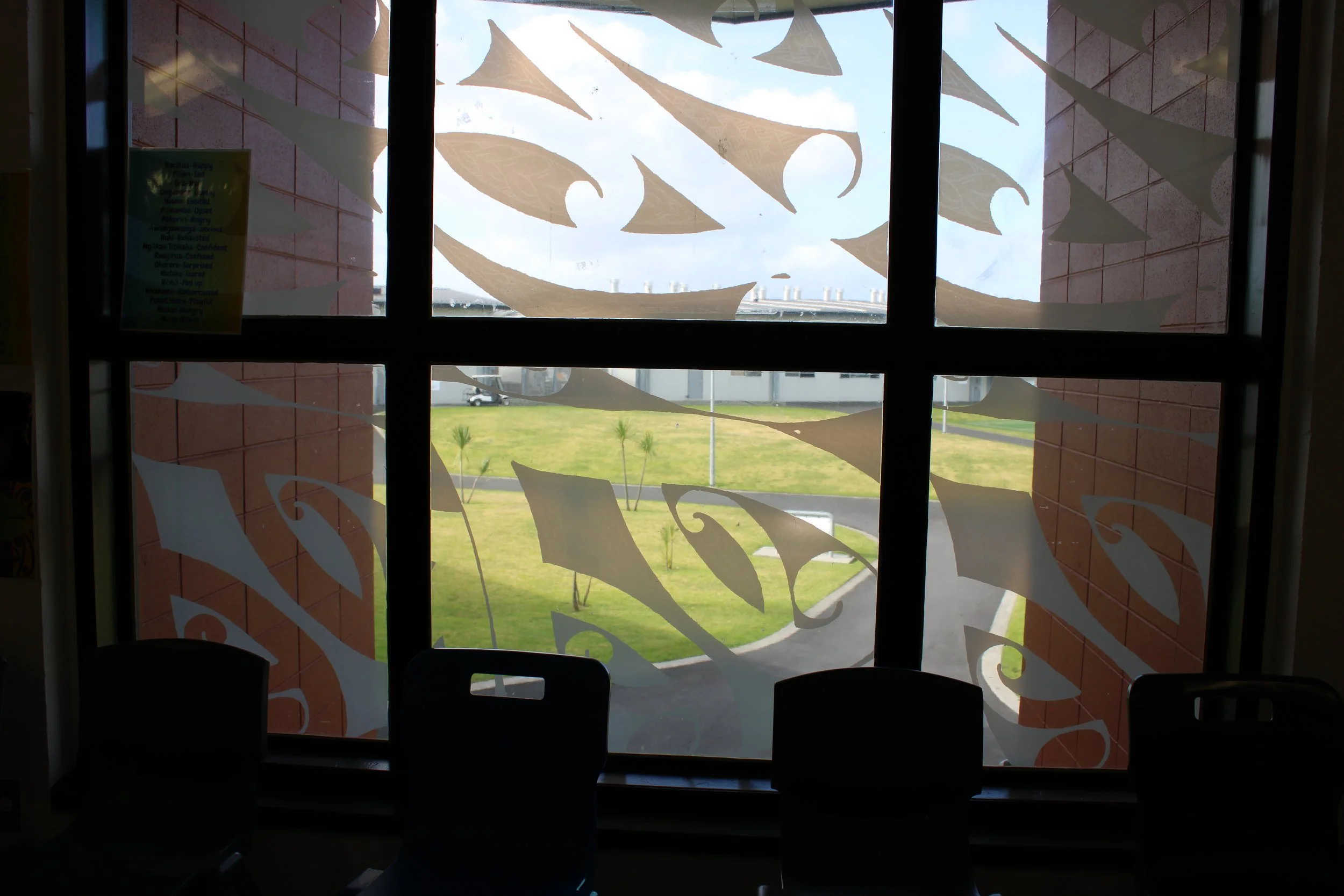
Walking through the gates of Kohuora Auckland South Corrections Facility (ASCF), I wasn’t sure what to expect. It didn’t take me long to understand why graduation from the Drug Treatment Programme is an incredibly special milestone for the participants, their whānau, and the Odyssey team.
On this winter morning, deep inside ASCF, Whare Manaaki was filled with quiet anticipation. This was the setting for the graduation, where the graduating cohorts, supported by the next group completing the programme, stood ready while whānau waited proudly alongside kaimahi from Odyssey and Serco (who operate the ASCF).
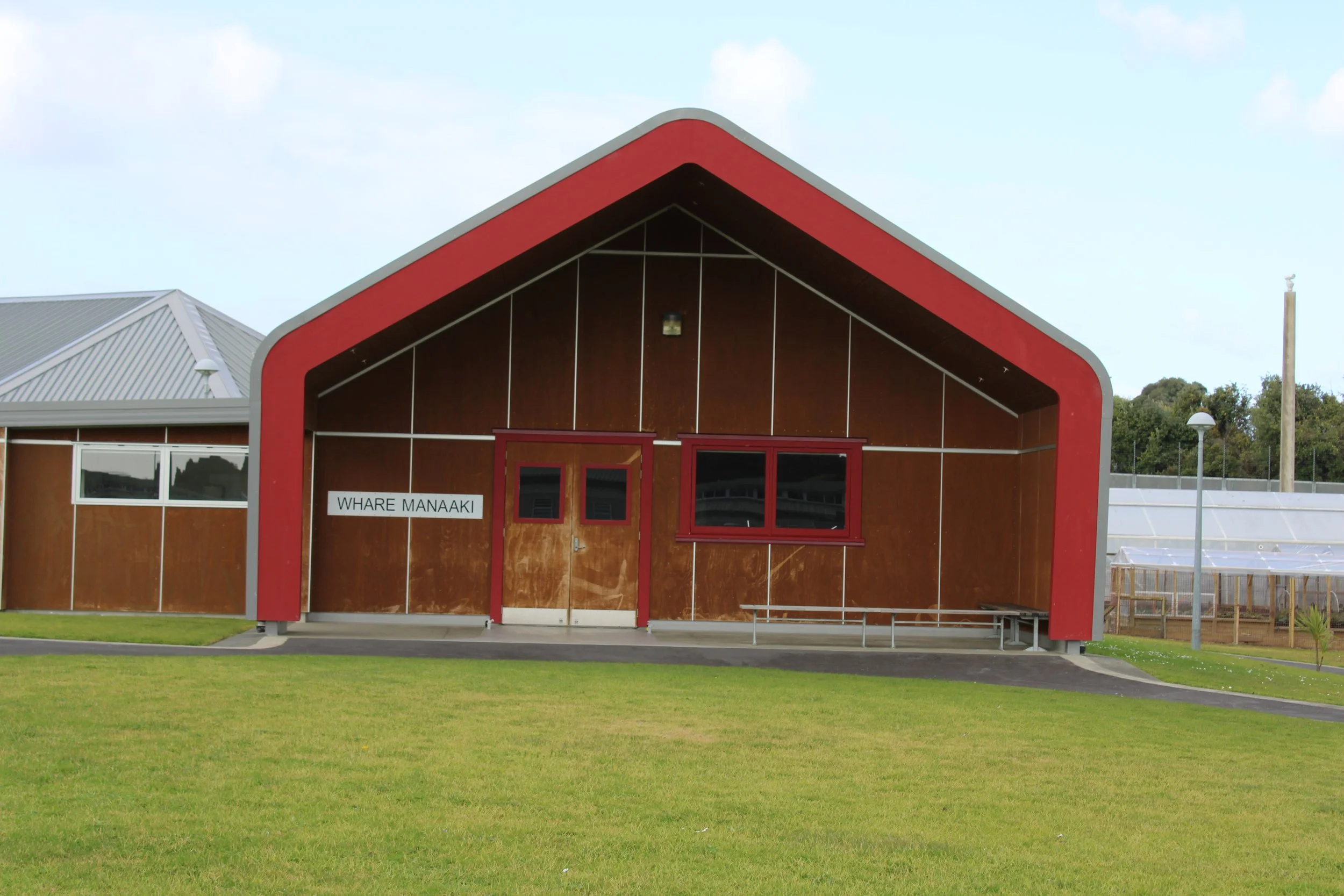
The ceremony began with karakia, waiata and whaikōrero before, one by one, each graduate stood to share their reflections. This wasn’t just a celebration of completing the programme, it marked the beginning of new lives and the potential for brighter futures.
This was my first time attending a prison graduation. What I hadn’t expected was the courage it took for each graduate to stand before a group of over 40 people, share openly and bravely, and speak about the future they could now picture. I was touched by every journey.
Some spoke confidently. Others were quieter, barely making eye contact. But every one of them stood up and spoke with honesty and vulnerability. They acknowledged broken relationships, accepted responsibility for the pain they had caused, and shared their hopes for rebuilding their lives. It was impossible not to be moved and inspired by the possibilities that they now have.
Words like ‘journey’ and ‘responsible’ were repeated often, as many graduates spoke about the support and belief they received from Odyssey and their whānau, and how much it meant to them. They also acknowledged the support they had given each other. There was a genuine sense of camaraderie between the cohorts, as they encouraged one another and celebrated each other’s successes.
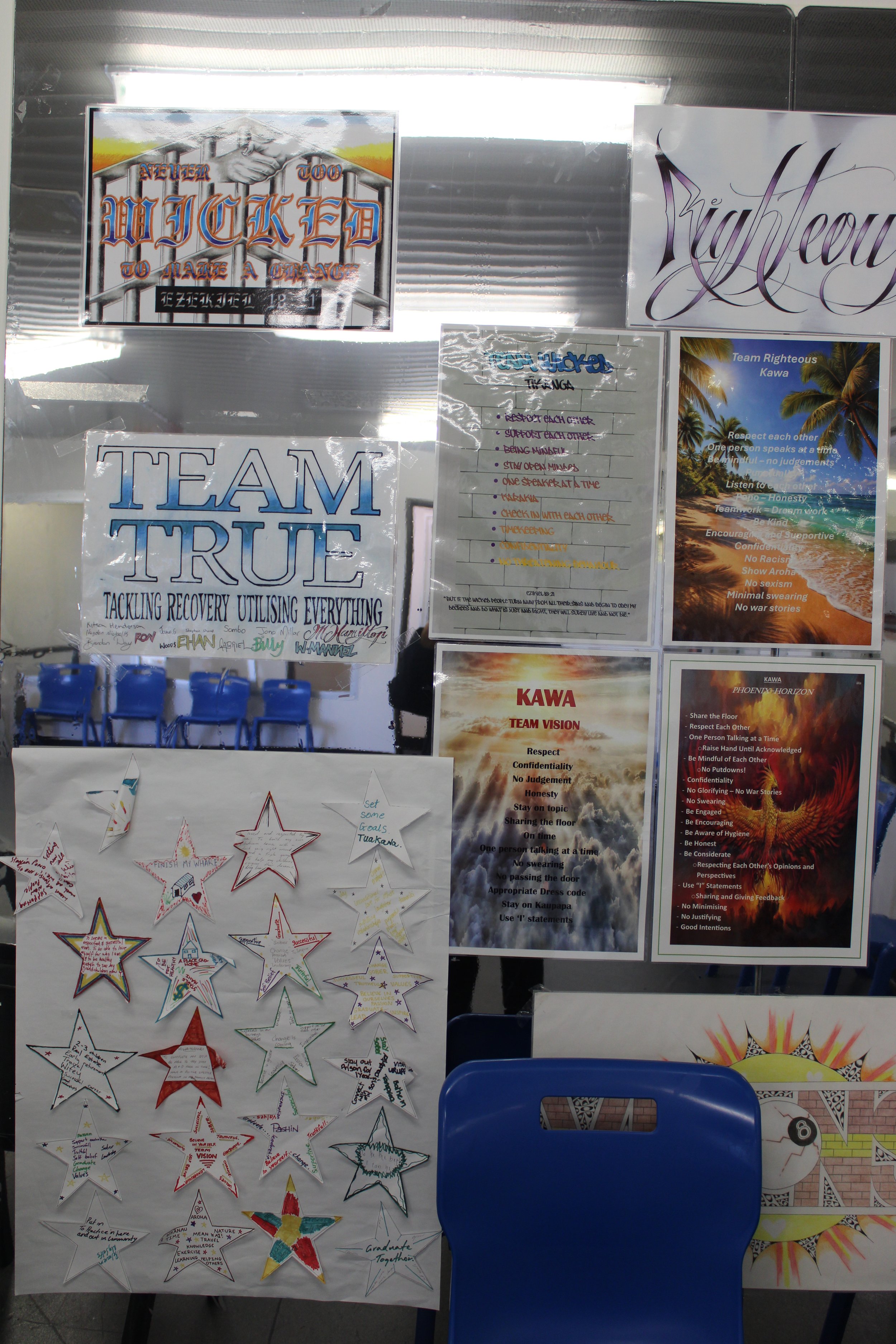
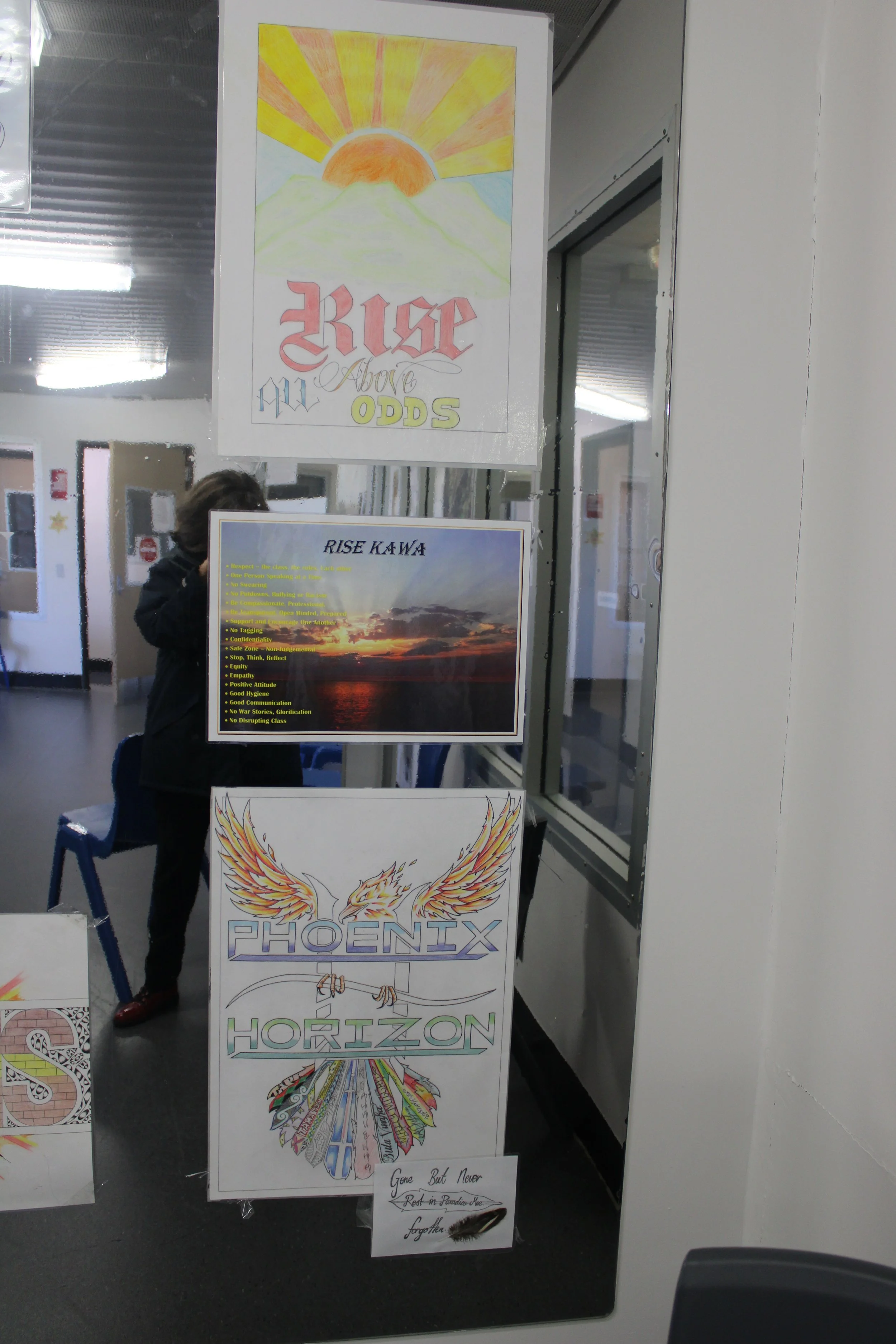
Te reo and kaupapa Māori are woven throughout the bicultural Drug Treatment Programme, and graduation reflects this. Graduates share their pepeha and join together in waiata, karakia and haka. For some, it provides the opportunity to reconnect with a culture they have long felt disconnected from. For others, it strengthens a connection that has become an important part of their recovery. “Kaupapa Māori ignites parts of their identity and self-worth. It can give them a real sense of belonging, instead of seeing themselves as only someone who has addiction challenges,” says Odyssey Clinical Manager Christine. “And it’s more than just accepting kaupapa Māori; it’s about experiencing the value it brings. The impact it can have by embracing it is huge.”
The Drug Treatment Programme takes six to nine months to complete. For many participants, education hasn’t been a positive experience, so committing to daily learning, studying the material and having difficult conversations about themselves can be incredibly challenging. Completing the programme is a significant achievement in itself.
Christine explains that the programme is ultimately about changing behaviour. “It is such a privilege to watch that change,” she says. “The tāne learn not to spend all their time protecting themselves, but instead to look inward and let their walls down.”
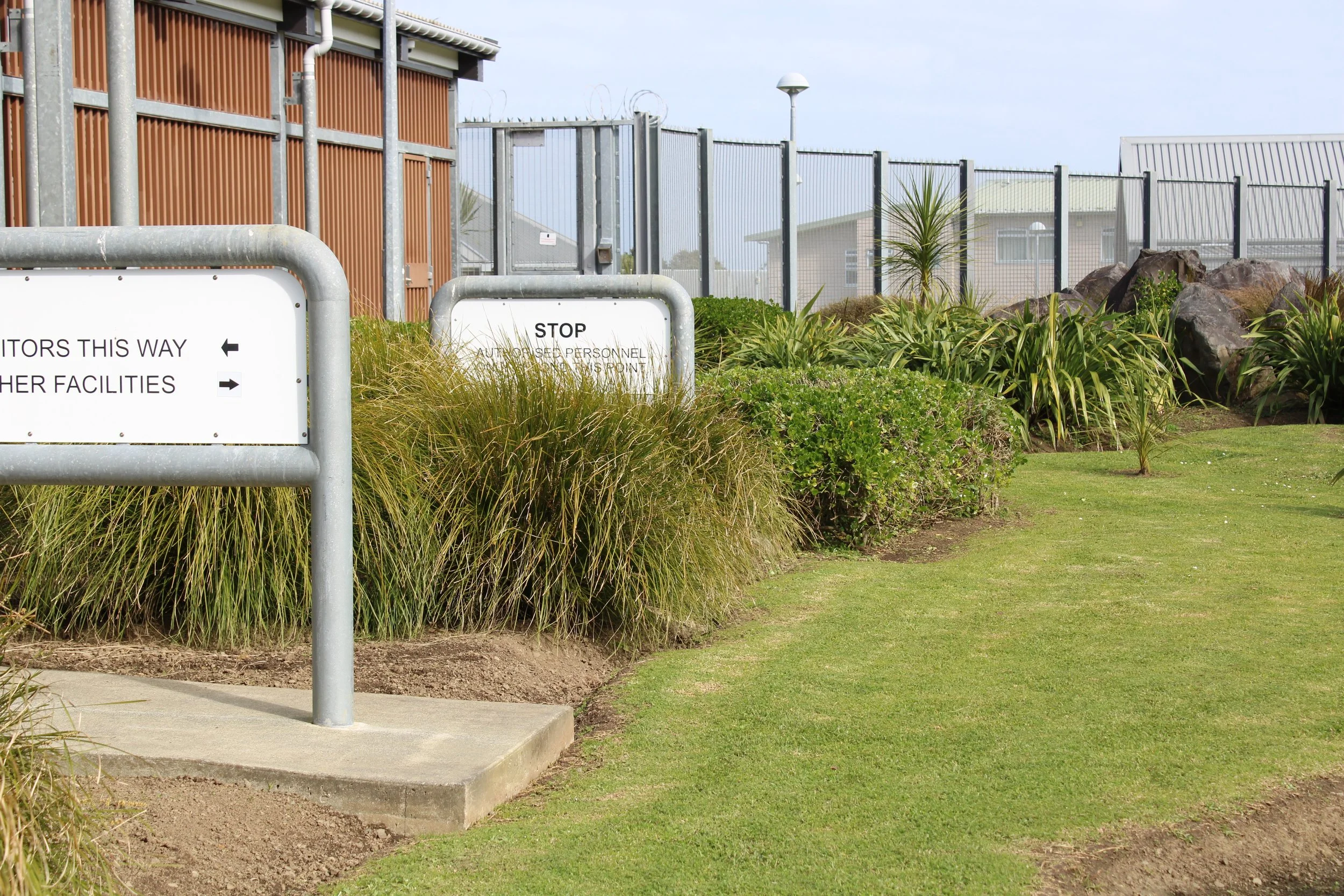
Delivering a programme like this depends on genuine partnership. The Odyssey team describe ASCF’s operators Serco as collaborative, supportive and open to innovation. "They value what Odyssey brings," says Christine. "It's the ideal place to be delivering this service." That partnership helps create the conditions for people to do the difficult work of recovery and prepare for life beyond the facility.
As the graduation ceremony drew to a close, the room again filled with waiata before a passionate haka brought the celebration to an end. Watching the graduates embrace their whānau, it was impossible not to recognise what the day really represented.
Graduation isn’t simply about completing a programme. It is about taking responsibility, finding hope, beginning to heal, and believing that a different future is possible.
Recovery doesn’t end at graduation. For many, it’s a lifelong journey. For the graduates, their whānau and the communities they will one day return to, that future is just beginning.